
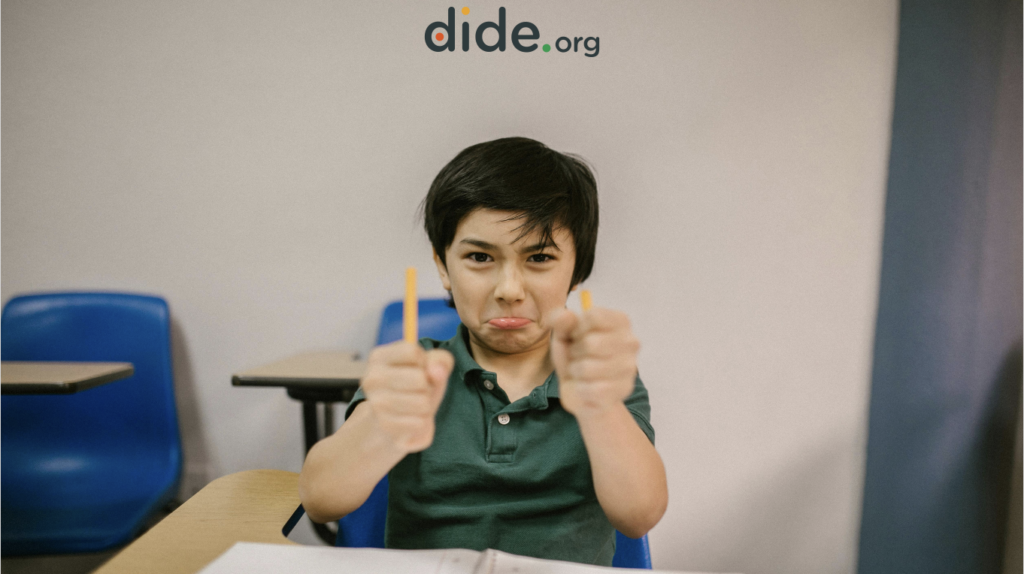
In the digital age, where immediacy and overstimulation are common, managing emotions becomes an even greater challenge for children and adolescents. In this context, anger can become a natural response to frustration, helplessness, or misunderstanding, but when not properly controlled, it can negatively affect their personal and social development.
Studies reveal that anger control problems in minors are a worrying reality:
Thus, a study by the Complutense University of Madrid indicates that between 10% and 15% of children have some type of difficulty controlling their anger. For its part, at the international level, the World Health Organization (WHO) estimates that one in five children experiences behavioral problems related to anger.
Most experts predict an increase in the incidence of anger control problems in minors in the coming years, concentrated, above all, in the population groups at greatest risk:
-Socioeconomic difficulties.
-Learning or attention problems.
-Family history of mental health problems.
-Exposure to violence or abuse.
The implementation of prevention and intervention programs will be crucial to mitigate the impact of this problem. Families, for their part, must help children learn how to manage emotions, including anger, from early childhood. It is essential for their proper development, since not knowing how to manage them will negatively affect them. Attachment and emotion management must become a priority for all parents, as well as transmitting security, promoting autonomy, setting limits with explanations, respecting their emotions, and trusting children.
How to detect anger control problems in minors?
The family and educational environment of minors should pay attention to possible warning signs that indicate possible anger control problems on the part of children and adolescents.
At the behavioral level:
- Aggressiveness: Shouting, insults, kicks, blows, fights, destruction of objects.
- Difficulty following rules: Disobedience, defiance, refusal to collaborate, stubbornness.
- Disproportionate emotional reactions: Uncontrollable crying, tantrums, fits.
- Social isolation: Refusal to interact with other children, preference for solitude.
- Impulsive behavior: Acting without thinking, making hasty decisions.
- Lies and deceptions: To avoid responsibilities or manipulate others.
At the physical level:
- Muscle tension: Stiffness in the body, teeth grinding, clenching fists.
- Sleep disturbances: Difficulty sleeping, nightmares, night awakenings.
- Physical complaints: Headache, tachycardia, sweating, tremors, nausea.
How can families and educators intervene?
Promote open communication
- Create a safe and trusting space for children to express their emotions without being judged.
- Listen carefully and without interruptions, showing genuine interest in what they feel.
- Validate their feelings, letting them know that it is normal to feel angry sometimes.
- Teach them to identify the signs of anger and how to manage them in a healthy way.
Establish clear and consistent limits
- Define rules of behavior at home that are understandable and adapted to the child’s age.
- Implement fair and consistent consequences in the face of lack of anger control, explaining the reason for the consequences.
- Model appropriate behavior for children, being an example of emotional control and management.
Teach anger management strategies
- Deep breathing and relaxation techniques
- Assertive communication skills Teach them to express their needs and desires clearly and respectfully.
- Conflict resolution: Help them develop strategies to resolve problems peacefully and through dialogue.
- Self-control techniques: Strategies to identify and manage the signs of anger before it gets out of control.
In those cases in which anger problems persist or interfere with the child’s daily life, psychological therapy may be recommended to help them
understand the causes of their anger, develop strategies to manage it, and improve their social skills.
Emotional education is essential for children and young people to learn how to manage their emotions in a healthy way. The support and guidance of parents, mothers, and families are essential to prevent and address anger control problems, providing them with the necessary tools to build positive relationships and a full life. We invite you to listen to our Doctor of Psychology, Nuria Ros, on La Tarde con Marina to expand the information on anger control problems in children and adolescents. At Dide.org we are experts in detecting educational, emotional, and behavioral potential and difficulties early in order to intervene. You can access the diagnostic tool in this link.
