
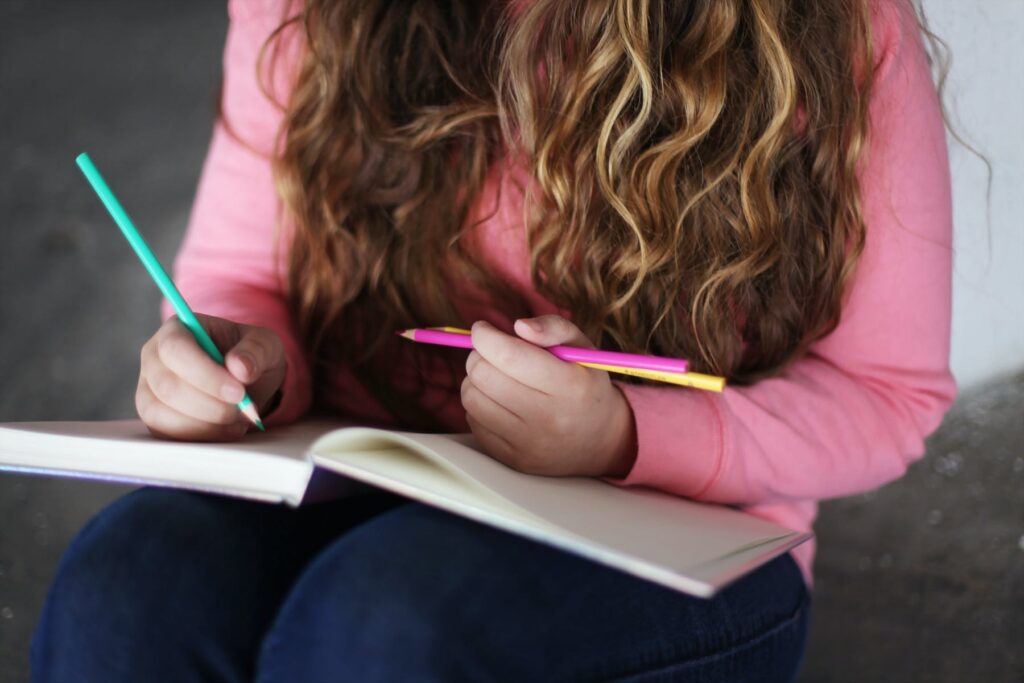
Dyslexia is a learning disorder that affects the ability to read and write. It is characterized by difficulties in decoding words, recognizing letters and syllables, and understanding the meaning of what is read.
Dyslexia is the most common learning disorder, affecting approximately 10% of the population. In Spain, it is estimated that there are around 4 million people with dyslexia.
How to detect it?
The symptoms of dyslexia can vary from person to person, but some of the most common are:
- Difficulties learning the alphabet and the rules of pronunciation.
- Slowness in reading.
- Difficulties understanding what is read.
- Confusion between similar letters, syllables, or words.
- Omissions, inversions, or substitutions of letters or syllables.
- Difficulties writing.
What do I do if my child presents any of these symptoms?
Early detection and appropriate intervention are essential for dyslexic individuals to effectively develop their reading and writing skills.
If you think your son or daughter may have dyslexia, here are some recommendations to help you detect it:
- Observe their behavior in reading and writing activities.
- Pay attention to the difficulties they present.
- Talk to their teacher.
- If you have any questions or concerns, do not hesitate to consult a professional.
- Consult with their teachers.
Schools play a fundamental role in the detection and care of dyslexia. It is recommended that they conduct initial assessments at the beginning of the school year, offer personalized support to students who suffer from it, and manage educational materials and activities appropriate to their needs.
How can I help?
Families can also support their children with dyslexia in various ways. Some recommendations for parents are:
- Read with them daily.
- Encourage them to write and express themselves.
- Provide them with a positive and stimulating learning environment.
There are many exercises designed to help children improve their reading, writing, and comprehension skills. We share some of the most common:
- Phonological awareness: to help children learn to identify and differentiate the sounds of speech.
- Syllabic awareness: to help them learn to identify and differentiate syllables.
- Decoding: to help them learn to relate sounds to letters.
- Fluency: to help them read more quickly and accurately.
- Comprehension: to help them understand what they read.
Parents can help their children with dyslexia by doing these exercises at home. There are many resources available to help parents learn how to do these exercises.
We invite you to listen to our Doctor of Psychology, Nuria Ros, on La Tarde con Marina to expand on these guidelines and recommendations. With the right help and support, children with dyslexia can reach their full academic and professional potential. At Dide.org, we are experts in detecting educational, emotional, and behavioral difficulties early in order to intervene. You can access the diagnostic tool at this link.
