
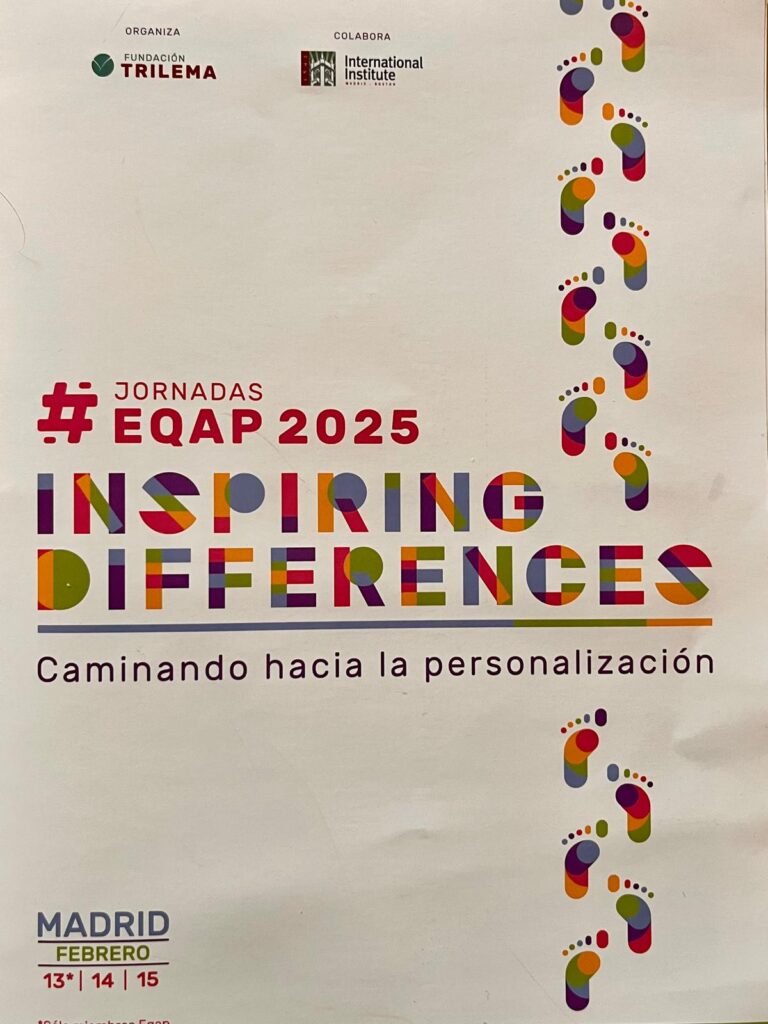
The VI Educational Innovation Conference #EQAp (Schools that Learn) 2025, organized by the Trilema Foundation, was held in Madrid on February 13, 14, and 15, 2025. This meeting brought together teachers and management teams to address the personalization of learning and educational inclusion.
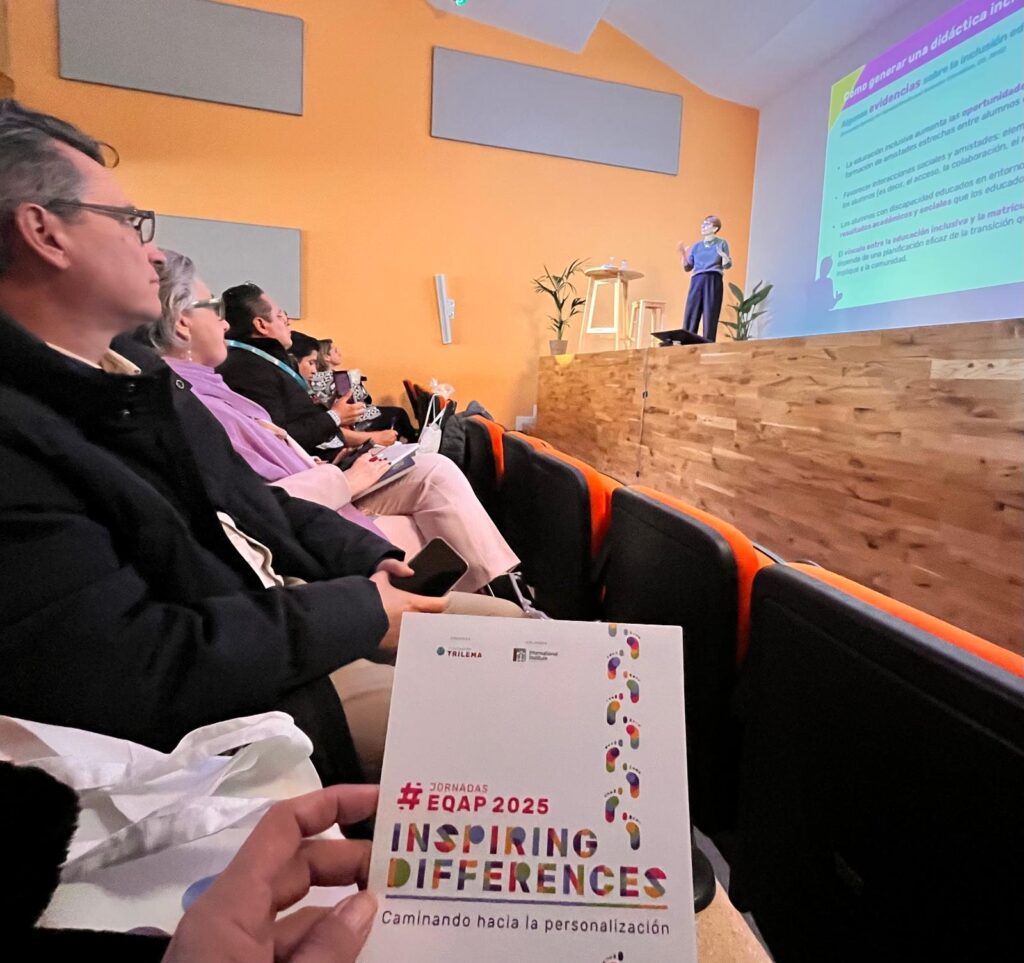
Carmen Pellicer, president and founder of the Trilema Foundation, opened the conference with the presentation “How do we advance in the Personalization of Learning?” Pellicer is recognized for her extensive experience in innovative educational projects and for her work as director of the magazine “Cuadernos de Pedagogía.”
The conference program included conferences, round tables, and practical workshops that addressed topics such as inclusion, personalization of learning, and the use of emerging technologies in education.
The participation of experts such as Edward Clapp, principal investigator at Project Zero, and Ainara Zubillaga, Director of Education and Training at the Cotec Foundation for Innovation, enriched the debate and provided international perspectives on current educational challenges.
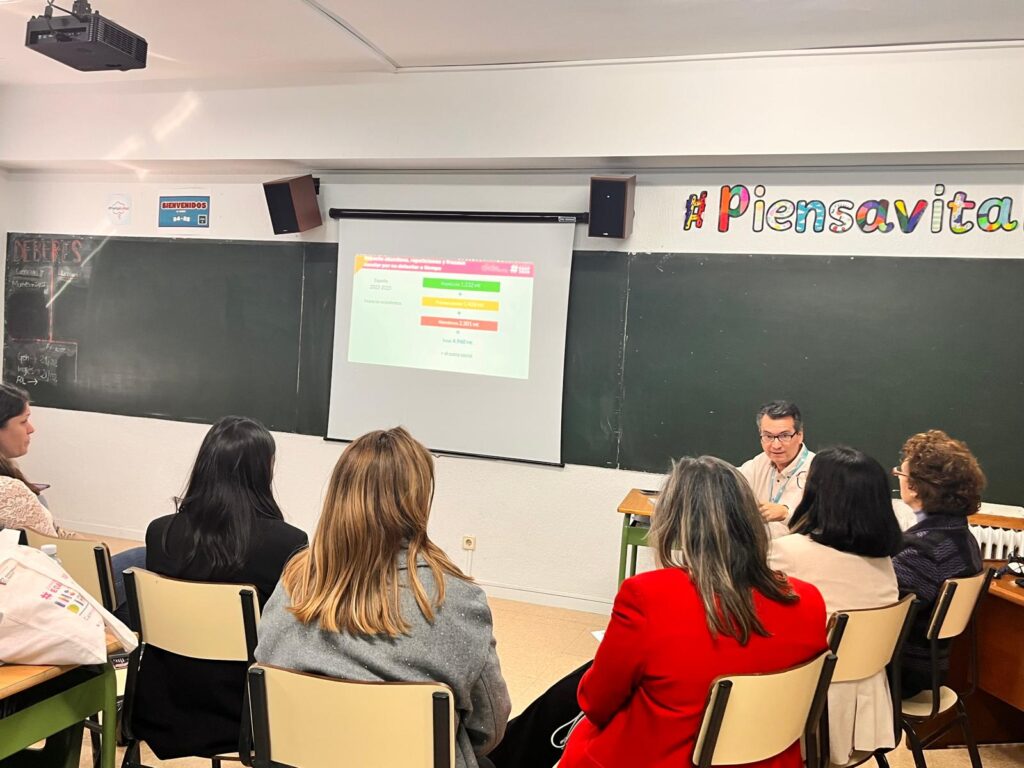
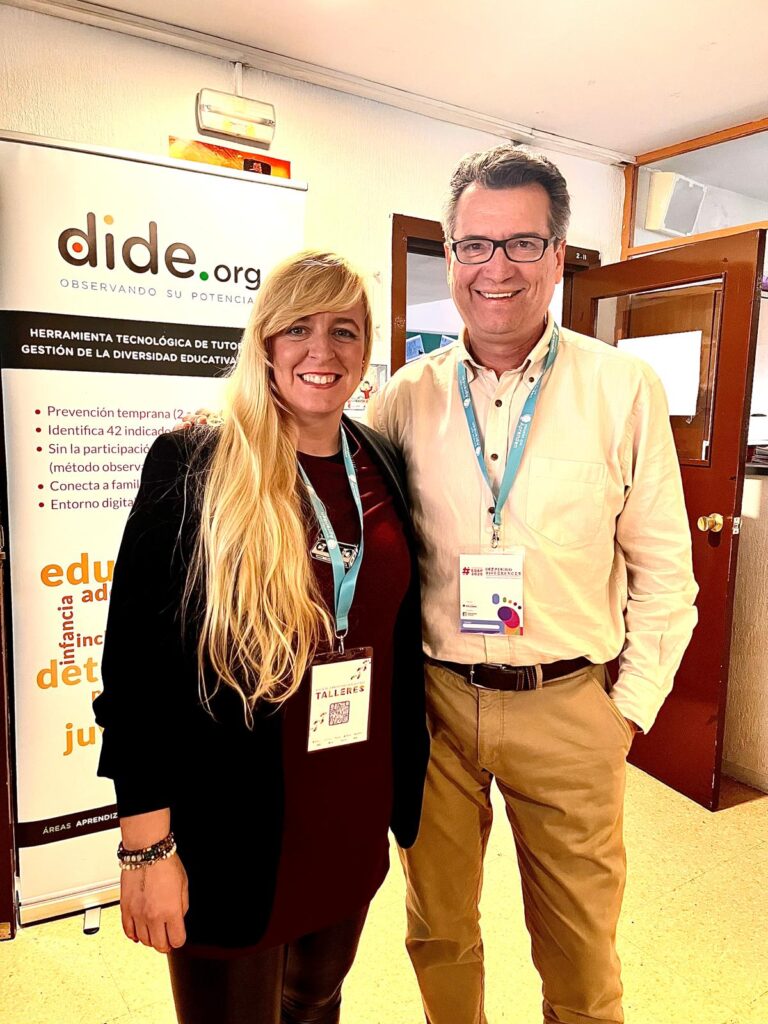
On Friday, February 14, Dide.org actively participated by giving the workshop entitled “On the front line: Active observation of the diversity of your students,” focused on strategies to identify and address diversity in the classroom. Alberto Ramírez, creator of the DIDE.org tool, gave a practical session in which he explained to the attendees what the platform is for and how it is used in the classroom. During the activity, participants were able to see firsthand how DIDE.org helps teachers identify the strengths and needs of students quickly and easily, without the need for direct intervention by the minor. The practice allowed us to explore the operation of the tool and its application in the active observation of diversity in the classroom, facilitating more personalized and effective attention.
Among the prominent speakers was also Rosa Liarte, professor of Geography and History and expert in the integration of new technologies in the classroom. Liarte is recognized for her work as a trainer of teachers in innovative methodologies and for her personal blog rosaliarte.com, where she shares educational resources and experiences.
These conferences were consolidated as a space for reflection and learning for professionals committed to educational transformation and attention to diversity in the classroom.
We would like to express our sincere gratitude to the Trilema Foundation and to Carmen Pellicer for giving us the opportunity to participate in such enriching conferences, where
active observation and personalized learning go hand in hand. It has been a space in which we have been able to contribute our vision on the importance of knowing each student in depth to adapt teaching to their individual needs. The work of Trilema in educational transformation is a benchmark, and having been part of this event motivates us even more to continue promoting tools that help teachers to better accompany their students.
