

Low tolerance for frustration and difficulty in anger management are two indicators that interfere with a child’s learning and development. Identifying them in time facilitates early intervention, thus promoting their well-being.
In this article, we will talk about two of the indicators that interfere with a child’s learning and well-being, and some guidelines that help these difficulties improve or disappear from the minor’s behavioral repertoire.
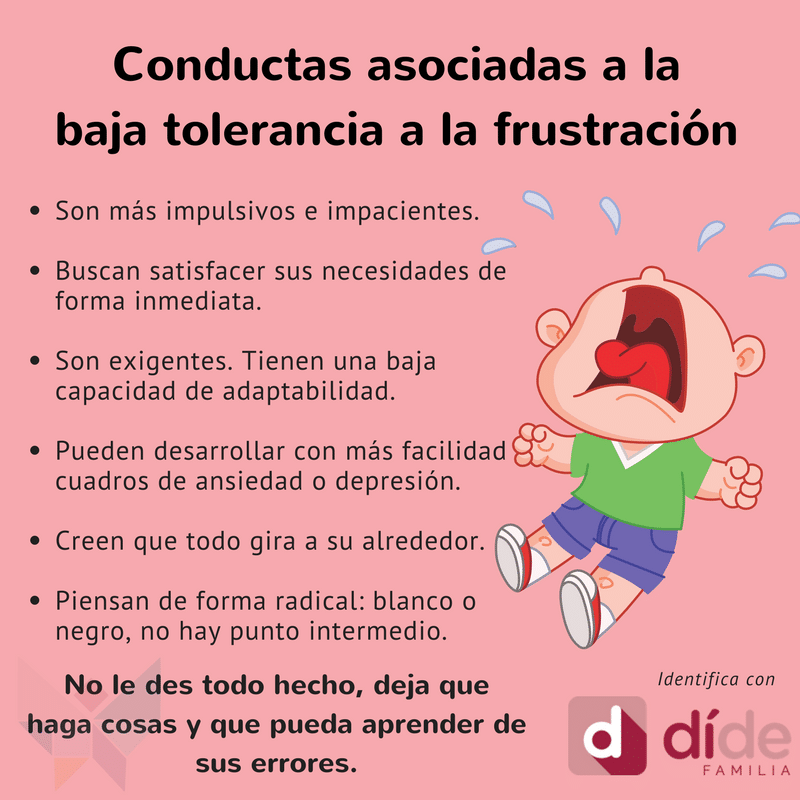
Low tolerance for frustration is very present in children of different ages. This indicator reflects the child’s inability to tolerate setbacks, minor annoyances, or unmet desires immediately. When a high score is obtained in the díde study, it usually corresponds to poor behavior of the minor both at home (tantrums, anger to get what they want) and in their interaction with others (they demand, order, and insist on having what they want).
Some helpful guidelines for children to better tolerate frustration.
- Don’t do everything for them, let them do things and learn from their mistakes.
- Teach them relaxation exercises/games, so that when they get frustrated, they know what they can do to feel better (breathing exercises, body tension-relaxation through stories, with dolls…).
- Reinforce appropriate behaviors, congratulating and praising the child when they delay the tantrum in the face of frustration or when they use a relaxation strategy.
- Motivate them to keep trying, helping them practice what they don’t do well or don’t master (drawing, playing, dressing…).
Another indicator that we find in díde and that is usually linked to low tolerance for frustration is difficulty in anger management. This indicator reflects the child’s inability to manage feelings of anger and frustration appropriately, so their ability to socialize adequately is very limited and they find it difficult to adapt to different environments (school, family…).
Some helpful guidelines for children to better manage anger and rage.
- It is important for the adult to remain calm as they are their role model. Do not react by shouting or hitting in the face of their tantrums, as the child learns that such ways of behaving are appropriate.
- Avoid exposure to aggressive response models such as those that may arise in certain programs, movies, video games not suitable for the child’s age.
- Set limits, establishing clear rules and the consequences of not complying with them.
- Reinforce appropriate behaviors, praising/rewarding the child when they do not show violent behaviors.
- Provide physical activity, stimulating their movement through games or toys.
These practices are positive to carry out with any minor, whether or not they have difficulties, as they reinforce and enrich adequate development at all levels.
The díde platform identifies through online questionnaires completed by parents and teachers of children between 2 and 18 years old, signs of difficulties that are interfering with their well-being, and provides guidance with guidelines and recommendations.

Identify their educational and emotional needs. START RIGHT NOW
