
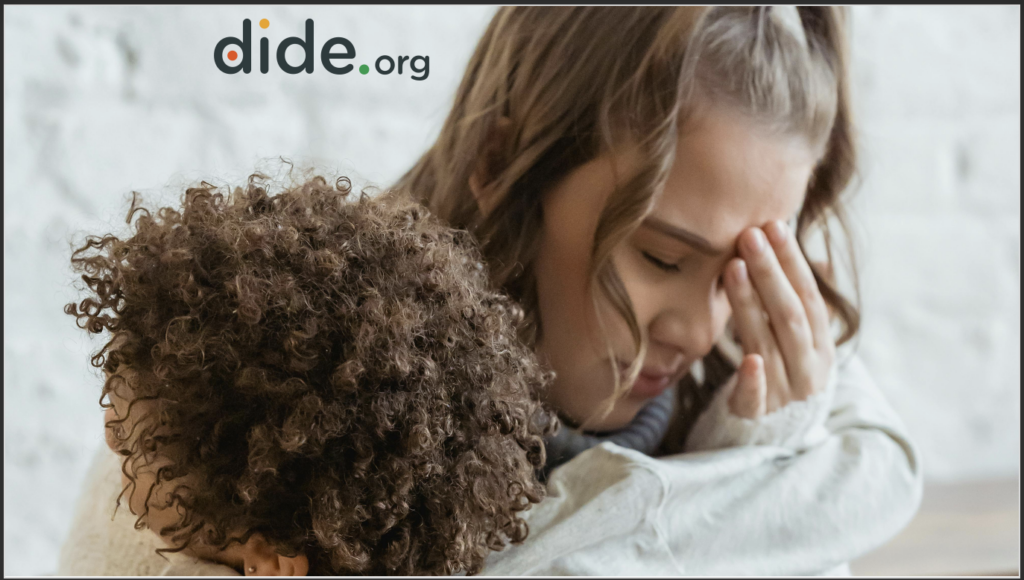
At Dide.org, we are committed to the well-being of children and to providing families, and the educational community in general, with tools that allow them to receive comprehensive support, not only in the academic field, but also in the emotional and social fields. In this sense, it is important to address the analysis of the impact that a serious illness in the family environment can have on the child.
Effects of the illness on the child
Although the existing data changes depending on the variable consideration of the severity of the disease, according to the 2020 National Health Survey, carried out by the National Institute of Statistics (INE), 12.3% of children and adolescents from 0 to 19 years old in Spain live in homes with at least one member with a chronic disease. In addition, 6.3% of children and adolescents live in homes that have at least one member with a serious or limiting illness.
When establishing the possible repercussions that the existence of a serious illness may have on the child, different studies carried out by psychiatrists, psychologists and pediatricians, indicate that, among the most common, are:
- Emotional problems: Anxiety, sadness, fear, anger, guilt.
- Behavioral difficulties: Aggressiveness, isolation, changes in sleep and eating habits.
- Decrease in academic performance: Lack of concentration, lack of motivation, learning difficulties.
- Physical problems: Headaches, fatigue, somatic illnesses.
Identifying the signs
It is important that both families and educators are attentive to the signs that may indicate that a child is being affected by the illness of a family member. These signs can be subtle and even manifest indirectly, so it is crucial to pay attention to any change in the child’s behavior, mood, or academic performance.
Likewise, there are some recommendations that can help families and educators provide support to children who are in this situation:
For families
- Open and honest communication: Maintain open and honest communication with the child about the family member’s illness, using simple language appropriate to their age.
- Expression of emotions: Provide a safe space for children to express their emotions and feelings related to the illness.
- Maintenance of routines: As far as possible, maintain the child’s daily routines, as this provides them with stability and security.
- Quality time: Dedicate quality time to be with the child to play, do activities together and provide them with affection.
For educators
- Sensitivity and understanding: Show sensitivity and understanding towards the situation of the child and their family.
- Flexibility: Be flexible regarding the student’s needs, allowing adaptations in school tasks when necessary.
- Communication with the family: Maintain fluid communication with the family to be informed about the student’s situation and offer coordinated support.
- Early detection: Be attentive to the signs that may indicate that the child is being affected by the illness of a family member and refer them to the emotional or psychological support services offered by the educational center.
- Support resources: Provide the child and the family with information about available emotional and social support resources.
In conclusion, it is essential that both families and educators work together to provide comprehensive support to children who are affected by the existence of a serious illness in their environment. Through the application of appropriate guidelines, we can contribute to helping children overcome this difficult time and continue with their emotional, social and academic development in a favorable way.
We encourage you to listen to our Doctor of Psychology, Nuria Ros, on La Tarde con Marina to expand the information on this topic. At Dide.org we are experts in detecting educational, emotional, and behavioral potential and difficulties early in order to intervene. You can access the diagnostic tool at this link.
