
This is a difficult disorder to detect, as it is generally confused with a lack of effort or interest.
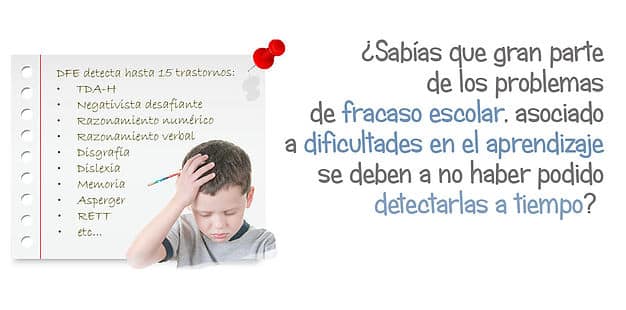
The lack of diagnosis is the biggest problem with dyslexia, the treatment of which could be improved with early detection. This should be done in childhood, but the lack of early detection strategies during the school stage causes frustration, low self-esteem, demotivation and the belief of feeling less intelligent than others in these children.
A child with dyslexia has a normal level of intelligence. “What’s more, many of these children who have experienced a school stage full of failures may even have an intellectual capacity above average,” say the researchers of the study “Dyslexia and Working Memory: is it possible that error detection mechanisms improve with working memory training?”, (conducted by the company CogniFit and the University of Haifa, Israel).
Dyslexia is one of the most common neurodevelopmental disorders, which in Spain affects approximately 4.7 million people, that is, more than 10 percent of the population. This disorder affects the neural connections that process language, affecting learning, making reading, writing and, in general, the fluid decoding of any symbol difficult. Early detection makes it easier to recognize existing problems, address them as soon as possible and prevent them from raising other problems, allowing those affected to adapt to the learning process.
How can it be improved?
With brain training it is possible to strengthen the connectivity of the neural networks involved in language processing. Through interactive exercises, the most weakened cognitive areas are detected and the neural circuits that each person needs to reinforce the most are stimulated.
According to the CogniFit study, 20 minutes of exercises two or three times a week are necessary to significantly improve working memory, cognitive development and reading performance, which was increased by 14.7 percent. According to the data offered, the results lasted up to six months after training, having a positive effect on dyslexia at any age, increasing the capacity for reading-writing, comprehension, concentration, learning agility, and academic and work performance.
Source: Valencia Plaza
