
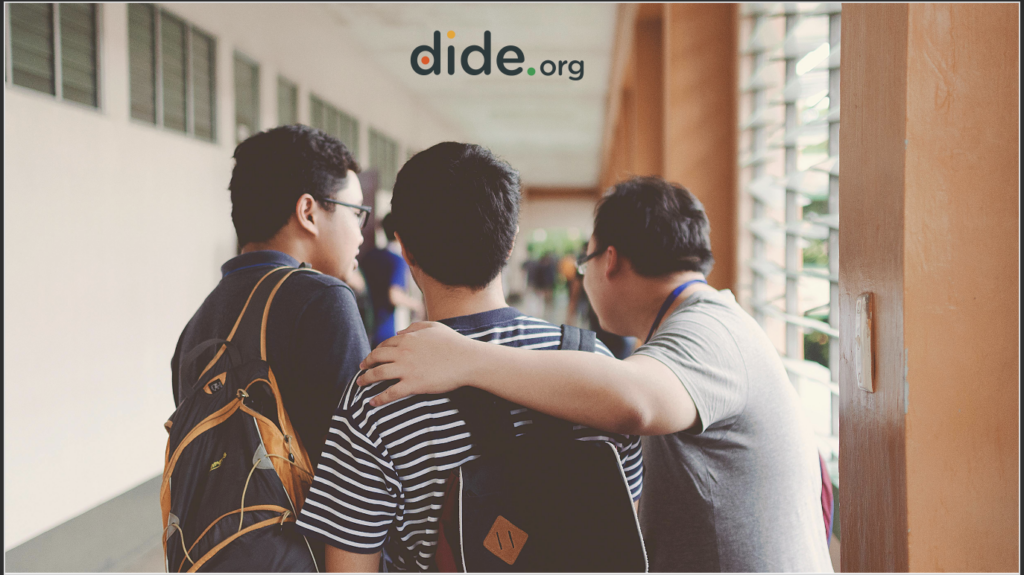
Returning to school after the summer holidays can be a challenge for many children and adolescents. This transition period between vacation and the start of the school year can cause anxiety, difficulty concentrating, and alterations in sleep and eating habits, among other problems. In Spain, it is estimated that 3 out of 10 minors experience what is known as “post-vacation syndrome,” a set of emotional and physical symptoms that arise when returning to the school routine.
Why is going back to school difficult?
The school routine involves a daily structure and a constant demand for academic performance, which contrasts significantly with the freedom and flexibility of the holidays. This abrupt change can affect children on different levels:
1. Altered biological rhythm: During the holidays, it is common for minors to change their sleep and eating schedules, which can make it difficult to return to healthy habits when the course begins.
2. Social and academic anxiety: The reunion with classmates and teachers, together with the pressure to obtain good results, can generate nervousness, especially in the most introverted children or those who have had academic difficulties in the past.
3. Emotional disconnection: After a long period of rest, some minors may feel that it is difficult for them to reconnect with the school environment and resume the habit of studying.
Adaptation difficulties in Spain
A recent study by the Observatory of Childhood in Spain indicates that up to 20% of children experience some type of anxiety or emotional difficulty when returning to school. This phenomenon is especially frequent in minors between 6 and 12 years old, an age group that is usually more affected by the pressure of adapting to new school and social stages. In addition, experts point out that the pandemic has increased the emotional vulnerability of many students, which aggravates post-vacation syndrome in some cases.
How can families help?
In order for the return to school to be more bearable and for children to adapt effectively, specialists recommend a series of strategies that can help both parents and minors:
1. Restore schedules gradually: Adjusting sleep and eating schedules a few days before the course begins is essential. Sleeping between 8 and 10 hours will help children arrive rested and with energy.
2. Promote a positive attitude: Talking about returning to school in a positive way, highlighting the aspects they enjoy most (friends, favorite activities), reduces anxiety and generates more pleasant expectations.
3. Review school material together: Preparing the backpack, reviewing the books, and organizing the material in advance will help them feel more prepared and confident.
4. Create a progressive routine: Establishing routines at home that facilitate adaptation to the new rhythm, such as a fixed time for study and extracurricular activities, helps children manage their time better.
5. Emotional support: Maintain a supportive attitude and be open to listening to your children’s concerns. Sometimes, children do not express their anxiety clearly, so it is important to pay attention to non-verbal cues.
6. Practice relaxation exercises: Techniques such as deep breathing or mindfulness can be useful for managing stress and anxiety, especially in the days leading up to the start of the course.
How can educators help?
Educators play a fundamental role in the adaptation of minors to the new course. Here we collect some strategies that they can put into practice to facilitate the transition:
1. Creation of a welcoming environment: The first day of class is key to establishing a positive environment. Educators can welcome students with activities that encourage dialogue and cooperation, helping to break the ice and alleviate social anxiety.
2. Initial flexibility: Understanding that the first days can be difficult for many students is essential. Instead of going straight into the syllabus, teachers can dedicate time to review and adaptation activities that allow students to gradually regain their rhythm.
3. Encourage participation: Designing group dynamics and interactive activities facilitates learning and helps children reconnect with their peers and feel part of the group.
4. Early detection of difficulties: Observing the behavior and emotions of students in the first days of class can help detect those who are experiencing greater adaptation difficulties. Educators can offer emotional support, refer to guidance services, or communicate it to parents if necessary.
5. Fluid communication with families: Maintaining an open and frequent communication channel with parents is key to helping in the transition. Sharing information about the child’s behavior and progress in the first days can provide families with the tools to better support from home.
In conclusion, returning to school does not have to be a difficult process if both families and educators take the appropriate measures to facilitate the transition. At Dide.org we are experts in detecting educational, emotional, and behavioral potential and difficulties early in order to intervene. You can access the diagnostic tool in this link.
